

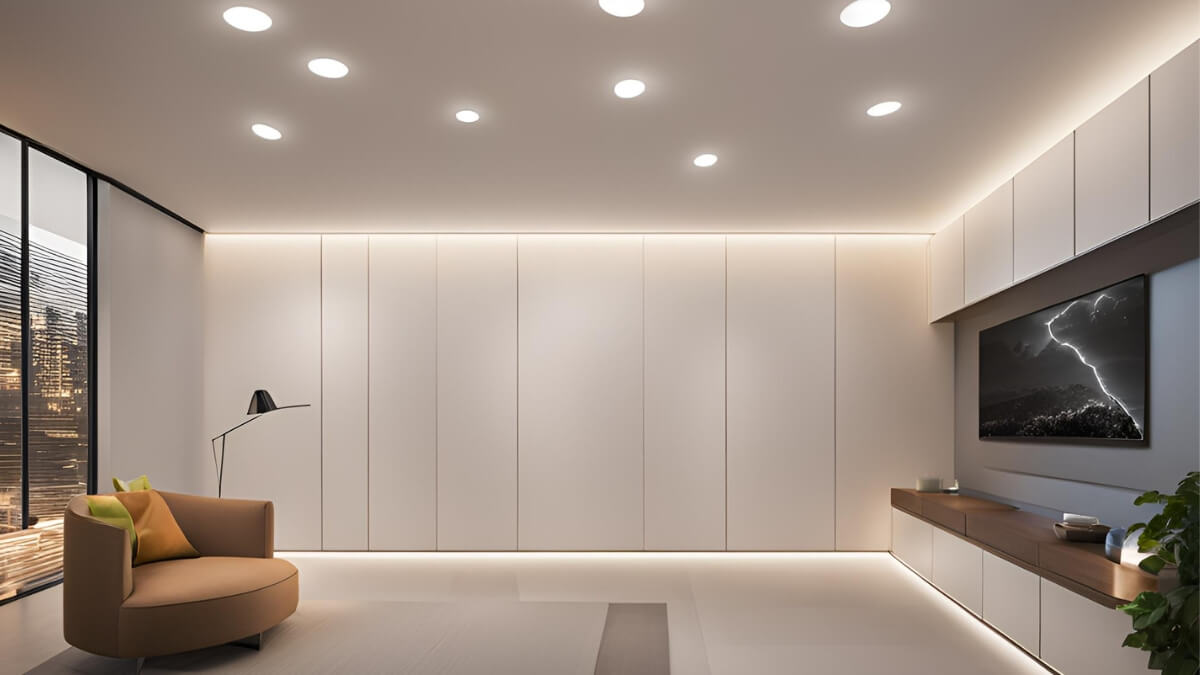

In today’s fast-paced, tech-driven world, home automation is revolutionizing the way we live. Among the innovations, smart lighting stands out as one of the most practical and transformative elements of a smart home. But what exactly is smart lighting, and how can it change the ambiance and functionality of your home? In this guide, “Smart Lighting : What It Is and How It Transforms Your Home,” we will explore the world of smart lighting, explain how it works, highlight its benefits, and explore its future potential.
What is Smart Lighting Technology?
What is Smart Lighting?
Smart lighting refers to lighting systems that can be automated, controlled remotely, and customized to suit your preferences. These lights are connected to your home’s Wi-Fi network, allowing you to control them using a smartphone, voice assistant, or even automation based on sensors. This technology lets you change the color, brightness, and schedule of your lighting with ease, providing a more personalized and efficient home environment.
How is Smart Lighting Different from Traditional Lights?
While traditional lighting relies on manual switches and fixed settings, smart lighting offers a range of advanced features that enhance convenience, customization, and energy efficiency. Some key differences include:
Automation:
Smart lights can turn on and off based on your daily routine, location, or activity. For instance, you can schedule your lights to gradually brighten in the morning or turn off automatically when you leave the house.
Remote Control:
Unlike traditional lights, which need to be operated manually, smart lighting can be controlled remotely via apps or voice commands. Whether you’re at home or away, you have full control over your lighting setup.
Energy Efficiency:
Smart lighting systems often use energy-efficient LED bulbs and allow you to control when and how the lights are used. This can significantly reduce your electricity bills and environmental impact.
Customization:
With smart lights, you can choose from millions of colors, set different moods, and create specific lighting scenes for different activities, from reading to watching a movie.
How Smart Lighting Works
ZigBee
ZigBee is a wireless communication protocol often used in smart home devices, including smart lighting. It offers low power consumption, making it ideal for battery-operated devices like light bulbs and switches. ZigBee creates a mesh network, allowing devices to communicate over longer distances.
Wi-Fi Lights
Wi-Fi-enabled smart lights connect directly to your home’s Wi-Fi network. These lights can be controlled via a smartphone app, giving you control from anywhere in the world, as long as you have internet access.
Bluetooth Lights
Bluetooth smart lights don’t need a Wi-Fi connection. Instead, they connect directly to your smartphone or tablet. While this limits remote control when you’re away from home, it’s a simple and affordable way to dip into smart lighting.
Z-Wave Protocols
Z-Wave, similar to ZigBee, is another communication protocol for smart devices. It offers reliable performance and low power consumption. However, Z-Wave devices require a compatible hub to work with your smart lighting system.
Smart Hub
A smart hub acts as a central point of communication between your smart lights and other devices in your home. Brands like Philips Hue and Samsung SmartThings offer hubs that enhance the connectivity and reliability of your smart lighting system.
Smartphones
Your smartphone becomes a powerful control center for your smart lighting system. With dedicated apps from smart lighting brands, you can control lights, set schedules, and even monitor energy usage.
Voice Assistants (Alexa, Google Assistant, Siri)
Integrating smart lighting with voice assistants like Alexa, Google Assistant, or Siri allows you to control lights with simple voice commands. Imagine walking into a room and saying, “Alexa, turn on the living room lights,” or “Hey Google, dim the bedroom lights.”
What Types of Smart Lighting Are Available?
LED Technology
Smart lights almost exclusively use LED technology. LEDs are energy-efficient, long-lasting, and versatile, making them perfect for smart lighting systems.
Smart Bulbs
These are the most common forms of smart lighting. They screw into existing sockets and can be controlled through an app or voice assistant. Popular options include Philips Hue, LIFX, and Wyze bulbs.
Smart Switches and Dimmers
Instead of replacing bulbs, you can install smart switches and dimmers to control existing lights. This option is ideal for users who want to keep their current lighting setup while adding smart functionality.
Smart Light Strips
Smart light strips offer flexible lighting solutions for areas like under cabinets, behind TVs, or along hallways. These strips are customizable in color and brightness, adding flair and ambiance to any room.
Smart Outdoor Lighting
Extend the benefits of smart lighting outdoors with smart floodlights, pathway lights, and porch lights. These can enhance your home’s security and curb appeal while being integrated into your existing smart home ecosystem.
What Are the Benefits of Smart Lighting?
Features to Improve Your Smart Home
Smart lighting offers numerous features that contribute to a more efficient, comfortable, and enjoyable home experience.
Custom Lighting Control
With smart lighting, you have full control over your home’s lighting. You can adjust brightness, color, and schedules to match your daily routine, activities, or mood.
Convenience
No more reaching for light switches—simply use your phone or voice assistant to turn lights on or off. You can also automate your lights to turn on when you arrive home or turn off when you leave.
Voice Control
Voice-controlled smart lighting adds an extra layer of convenience. Whether you’re cooking, relaxing, or getting ready for bed, you can control your lights hands-free.
Automations
Smart lighting systems can be integrated with other smart devices to create automated routines. For instance, your lights can turn off when your security system is armed or dim when you start a movie.
Energy Savings
Smart lighting can help reduce energy consumption by allowing you to set schedules and control lights remotely. You can also monitor usage and optimize settings to save on electricity bills.
Reduce Your Home’s Carbon Footprint
By using energy-efficient LED bulbs and controlling your lighting more precisely, smart lighting can significantly lower your home’s carbon footprint.
Easy Dimmable Light
Smart lights allow for precise control of brightness, making it easy to set the perfect ambiance for any room.
Get Cool Light Effects
You can create dynamic lighting scenes, change colors, or set mood lighting with ease, perfect for entertaining or relaxing.
Integrate with Motion Sensors and Security Systems
Smart lights can work with motion sensors to automatically turn on when someone enters a room. They can also be linked to security systems, turning on when a potential intruder is detected.
Integration With Other Smart Home Technology
Smart Lighting and Automated Blinds
Combine smart lighting with automated blinds to optimize natural light and energy efficiency.
Lighting and Smart Security
Smart lighting can be linked with your home security system, automatically turning on lights when security cameras detect motion or an alarm is triggered.
Lighting and Smart Home Entertainment
Sync your lights with your home entertainment system for immersive lighting effects that enhance your viewing or gaming experience.
Smart Lighting Brands and Products
Popular smart lighting brands include Philips Hue, LIFX, Sengled, and Wyze. These brands offer a range of products, including smart bulbs, switches, dimmers, and light strips. When choosing a brand, consider compatibility with your existing smart home devices and the range of features offered.
Challenges and Considerations
Initial Cost and Setup Complexity
The initial cost of smart lighting products and the complexity of setting them up can be a barrier for some homeowners. However, the long-term energy savings and convenience often justify the investment.
Compatibility with Existing Home Systems
Ensure that your smart lighting products are compatible with your existing smart home system, whether you use Alexa, Google Assistant, or Apple HomeKit.
Potential Privacy Concerns with Smart Home Devices
As with any connected technology, smart lighting systems can raise privacy concerns. It’s essential to use strong passwords, update firmware regularly, and ensure that your network is secure.
Future of Smart Lighting
Trends in Smart Lighting Technology
The future of smart lighting looks promising, with advancements in AI integration, machine learning, and IoT connectivity. Expect even more seamless automation and smart home integration in the years to come.
How Smart Lighting May Evolve in the Coming Years
As smart lighting evolves, we’ll likely see even more energy-efficient products, enhanced integration with other smart home devices, and the development of lighting systems that adapt automatically to your preferences and environment.
Smart lighting offers a transformative way to enhance your home’s efficiency, comfort, and style. With the ability to customize, automate, and control your lighting with ease, the possibilities are endless. Whether you’re looking to create the perfect ambiance, reduce energy costs, or improve home security, smart lighting is a worthwhile investment that can truly change the way you live.
FAQ
A: While the initial costs may be higher than traditional lighting, smart lighting offers long-term savings through energy efficiency and convenience.
A: Yes, with a smartphone app or voice assistant, you can control your smart lighting remotely.
A: Some smart lighting systems require a hub, while others, such as Wi-Fi or Bluetooth lights, can work without one.

