

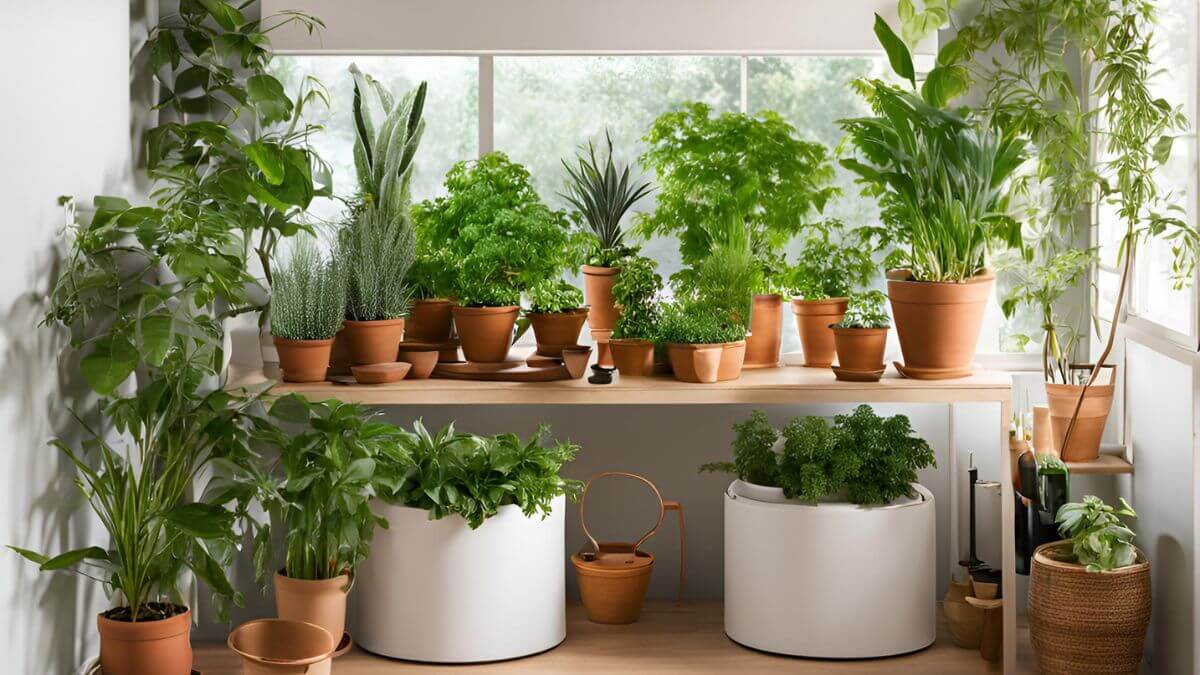

Starting an indoor garden may seem overwhelming, but with the right knowledge and preparation, it can be a fulfilling and rewarding journey. Your Guide To Start and Maintain a Thriving Indoor Garden offers you the chance to cultivate fresh vegetables, herbs, fruits, and flowers right in your home, regardless of outdoor space or weather conditions. Whether you’re looking to brighten your living space or harvest your own produce, this guide will walk you through everything you need to know to start and maintain a thriving indoor garden.
What is an Indoor Garden?
An indoor garden refers to cultivating plants inside your home, whether on windowsills, balconies, or under grow lights. It’s an ideal solution for people with limited outdoor space or those living in climates not conducive to gardening year-round. With the right care, indoor plants can thrive, helping you to grow anything from fresh herbs and vegetables to stunning ornamental flowers.
The Fundamentals of Any Garden
The key to success in indoor gardening lies in understanding the basic needs of your plants. Every plant requires the right balance of substrates, light, temperature, and water.
Substrates for Indoor Gardening
Indoor plants often need a well-draining potting mix designed specifically for indoor use. Unlike outdoor soil, indoor substrates contain a mix of organic material that retains moisture without waterlogging the roots. Coco coir, perlite, and vermiculite are excellent additions for improving drainage and aeration.
Choosing the Right Space
One of the first steps to indoor gardening is picking the right spot. The space should have good ventilation, adequate light, and enough room for plants to grow.
Importance of Light, Temperature, and Space
Plants rely on light to photosynthesize and grow. Temperatures should be kept within a stable range that matches your plants’ needs—typically between 65°F and 75°F for most indoor plants.
Assessing Indoor Locations: Windowsills, Balconies, or Rooms with Adequate Sunlight
South-facing windows provide the most sunlight, making them ideal for plants that require full sun. West-facing windows are great for afternoon sun, while east-facing windows receive gentle morning light.
Alternatives for Low-Light Spaces (e.g., Grow Lights)
For homes with limited sunlight, grow lights are a fantastic alternative. LED, fluorescent, and full-spectrum lights can help mimic natural sunlight and ensure your plants get enough energy to grow.
Selecting Plants for Your Indoor Garden
Choosing the right plants is crucial for your indoor garden’s success. Consider starting with easy-to-grow varieties that adapt well to indoor conditions.
Vegetables: Lettuce, Spinach, Tomatoes, and Peppers
Leafy greens like lettuce and spinach are fast-growing and thrive in indoor gardens. Tomatoes and peppers can also be grown indoors with the right lighting setup, offering you the benefit of fresh produce year-round.
Herbs: Basil, Mint, Thyme, and Parsley
Herbs are perfect for indoor gardening due to their small size and quick growth. Fresh basil, mint, thyme, and parsley not only make your indoor garden smell wonderful but also enhance your culinary creations.
Fruits: Strawberries, Dwarf Citrus Trees
Strawberries are a great option for hanging baskets, while dwarf citrus trees can be grown in larger pots, adding a splash of color and fragrance to your space.
Other Options: Microgreens and Indoor Flowers
Microgreens are small, nutrient-dense plants that grow quickly and are perfect for beginner gardeners. Indoor flowers like peace lilies or African violets add beauty and serenity to your home.
Gathering Materials
To begin your indoor garden, you’ll need the right tools and materials.
Containers and Pots
The size and type of pot are essential for plant health. Self-watering pots are great for busy individuals, while pots with drainage holes prevent overwatering.
Potting Soil
Using High-Quality, Well-Draining Soil Mixes
Opt for potting mixes designed specifically for indoor plants. These mixes often include peat moss, perlite, or vermiculite to improve aeration and drainage.
Differences Between Potting Soil and Outdoor Garden Soil
Potting soil is lighter and better suited to containers than outdoor garden soil, which can be too dense and cause root rot indoors.
Fertilizer
Organic vs. Synthetic Fertilizers
While organic fertilizers are natural and eco-friendly, synthetic fertilizers can offer faster results. Both options have their pros and cons, so choose based on your plant type and personal preference.
Importance of Feeding Indoor Plants Regularly
Regular feeding helps plants receive the nutrients they need to thrive, especially when grown in containers where the soil may deplete faster.
Watering Tools
Best Practices for Watering Indoor Plants (e.g., Misting, Using Watering Cans)
Watering methods will vary depending on the plant type. Some plants, like ferns, enjoy frequent misting, while others prefer a more targeted approach using a watering can.
Lighting and Temperature
Importance of Light for Plant Growth
Light is the most critical factor in plant health. Without enough light, plants will struggle to photosynthesize and grow.
Natural Light: Positioning Plants to Maximize Sunlight
Place plants in areas where they receive the right amount of sunlight, ensuring they’re not too far from windows.
Artificial Lighting: How to Use Grow Lights in Low-Light Conditions
If natural light is insufficient, grow lights are a viable option. These lights provide the spectrum of light necessary for photosynthesis.
Types of Grow Lights: LED, Fluorescent, or Full-Spectrum
LED lights are energy-efficient and long-lasting, while fluorescent and full-spectrum lights can mimic sunlight more effectively.
Managing Temperature and Humidity Levels for Plant Health
Keep an eye on temperature and humidity levels. Most indoor plants prefer moderate humidity and stable temperatures.
Watering and Maintenance
Your indoor garden will need regular maintenance to thrive. Be mindful of your plants’ watering needs and prune them to encourage healthy growth.
Indoor Garden Layout and Design
Creating an Aesthetically Pleasing Indoor Garden
Consider how your garden will look. Incorporating different textures, colors, and heights can create an eye-catching design.
Vertical Gardening Options for Small Spaces
For those with limited space, vertical gardening with shelves or hanging planters can maximize your area.
Arranging Plants Based on Light and Moisture Needs
Grouping plants with similar light and moisture needs ensures that you can care for them more efficiently.
Using Shelves, Hanging Planters, or Plant Stands to Optimize Space
These design elements help to showcase your plants beautifully while saving space.
Growing Mediums and Hydroponics
Alternative Growing Mediums: Coco Coir, Perlite, Vermiculite
These mediums improve aeration and drainage, which is essential for healthy root systems.
Introduction to Hydroponics for Indoor Gardening
Hydroponics involves growing plants without soil, using nutrient-rich water solutions instead. It’s a space-saving and efficient method of indoor gardening.
Harvesting Your Indoor Garden
How and When to Harvest Different Types of Plants
Each plant has its own harvesting timeline. For example, herbs can often be harvested as soon as they’re large enough, while fruits may take several months to mature.
Best Practices for Maximizing Yield and Encouraging Regrowth
Regular pruning and proper care encourage regrowth, allowing you to enjoy your indoor garden year-round.
Starting an indoor garden is a rewarding endeavor that brings nature into your home while providing fresh produce and beautiful plants. With proper planning, the right materials, and consistent care, you can create a thriving indoor garden that enhances your space and offers a sense of fulfillment. Don’t hesitate—start planting today, and watch your indoor garden flourish!
FAQ
A: Yes, you can use grow lights to supplement or replace natural sunlight.
A: Herbs like basil and mint or leafy greens like lettuce are great for beginners.
A: Use pots with drainage holes, water only when the top inch of soil is dry, and consider self-watering pots.
