

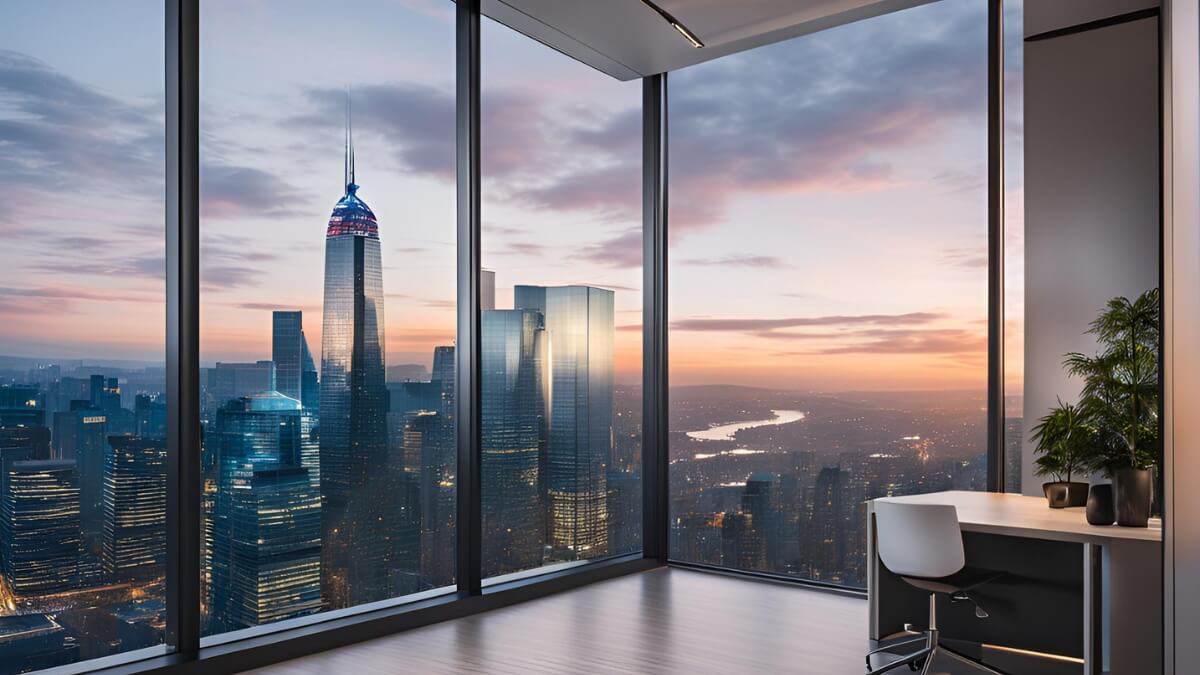

In the quest for energy-efficient living, Smart Windows: The Future of Energy-Efficient Home Design is becoming a reality. With rising energy costs and an increasing focus on sustainability, homeowners are looking for innovative ways to make their homes more eco-friendly. Smart windows, equipped with advanced glass technologies, can significantly reduce energy consumption while enhancing comfort and convenience. In this guide, we’ll explore what smart windows are, how they work, and why they are the future of energy-efficient homes.
What Are Smart Glass Windows?
Technologically advanced, smart glass windows automatically adjust their transparency and heat control based on environmental conditions. Unlike traditional windows, smart windows can change their tint, block UV rays, and regulate temperature, offering better energy efficiency. These windows use innovative materials and embedded technologies to switch from clear to tinted or opaque, allowing for maximum energy conservation and privacy when needed.
How Do Smart Windows Work?
Smart windows operate through a range of advanced technologies, enabling them to respond to light, heat, and even electrical signals. Sensors or materials that react to changing environmental conditions equip most smart windows. These technologies allow smart windows to reduce the need for air conditioning and heating, helping homeowners save on energy bills while also reducing their carbon footprint.
Types of Smart Glass Technologies
There are several types of smart glass technologies, each offering unique benefits depending on your needs. Let’s dive into the different types of smart glass technologies available:
1. Electrochromic Smart Glass
Electrochromic glass uses a small electrical charge to change the tint of the window. When the charge is applied, the glass darkens to block sunlight and reduce heat gain. When the charge is removed, the glass returns to its transparent state. This type of smart glass is ideal for reducing energy consumption, especially in climates with hot summers.
2. Photochromic Smart Glass
Photochromic glass automatically changes its tint in response to sunlight intensity. When the sunlight is strong, the glass darkens to protect the interior from excessive heat and UV radiation. As the light decreases, the glass becomes clear again. This technology works without electricity, making it a low-maintenance and energy-efficient solution.
3. Thermochromic Smart Glass
Thermochromic glass reacts to temperature changes, adjusting its transparency to regulate indoor temperatures. As the temperature rises, the glass tints to block heat. This type of smart glass is perfect for homes in regions with fluctuating temperatures, providing a balance between comfort and energy efficiency.
4. Suspended-Particle Devices (SPD)
SPD smart glass contains suspended particles that align or scatter when an electrical charge is applied, changing the transparency of the window. This technology allows for precise control over the level of tint, offering more flexibility for homeowners who want to manage the amount of light and heat entering their homes.
5. Micro-Blind Technology
Micro-blind smart windows feature tiny, built-in blinds that can tilt or close to block light. These blinds are embedded in the glass and are invisible to the naked eye. When activated, they block light while maintaining a clear view, making this technology ideal for homes that require privacy without sacrificing natural light.
6. Polymer-Dispersed Liquid Crystals (PDLC)
PDLC smart glass scatters light and creates an opaque window when it receives no electrical charge. When a charge is applied, the crystals align, making the glass transparent. People commonly use PDLC in areas where privacy is essential, such as bathrooms and conference rooms, while still allowing light to pass through.
How Much Are Smart Windows?
The cost of smart windows can vary significantly depending on the type of technology and the installation requirements. On average, smart windows can range from $100 to $150 per square foot, including installation. However, the long-term energy savings often make this investment worthwhile.
Smart Windows in Doors
Smart glass can be integrated into doors as well, providing energy efficiency and privacy in one. This is particularly useful for patio doors, where homeowners want to maximize natural light without sacrificing heat control.
External Smart Windows
External smart windows are installed on the outer walls of a home and are designed to regulate heat and light before they enter the building. These windows are excellent for reducing energy consumption in homes exposed to direct sunlight.
Internal Smart Windows
Internal smart windows are often used for room partitions or privacy screens. They can switch between opaque and transparent modes, providing flexibility in open-concept spaces.
Safety Glass Smart Windows
Some smart windows are designed with safety in mind, combining impact-resistant materials with smart technology. These windows provide both energy efficiency and added security, making them ideal for homes in areas prone to severe weather or break-ins.
Retrofit Smart Windows
For homeowners who want to upgrade their existing windows, retrofit smart windows offer an easy solution. These windows can be installed on top of your current window panes, giving you the benefits of smart glass without the need for a full replacement.
Why Smart Glass Is a Better Choice for Windows
Smart Windows: The Future of Energy-Efficient Home Design offers a host of benefits that make them superior to traditional windows. Not only do they improve energy efficiency, but they also enhance privacy, reduce glare, and protect against harmful UV rays. Additionally, smart windows can be controlled via apps or automated systems, allowing homeowners to manage their energy consumption with ease. The ability to customize the transparency of the glass also makes them ideal for modern home designs.
As the demand for energy-efficient solutions continues to rise, smart windows are becoming an essential feature in modern home design. Whether you’re looking to reduce energy costs, improve comfort, or embrace cutting-edge technology, smart windows offer a versatile solution that is both practical and stylish. If you’re planning a home upgrade, investing in smart windows could be a step toward a more sustainable and energy-efficient future.
FAQ
A: Yes, smart windows can significantly reduce energy consumption by controlling heat and light entering the home, reducing the need for heating and cooling systems.
A: Yes, retrofit smart windows can be installed over your existing windows, offering a cost-effective way to upgrade without a full replacement.
A: Many smart windows come with safety glass options, providing both energy efficiency and added security features.
