

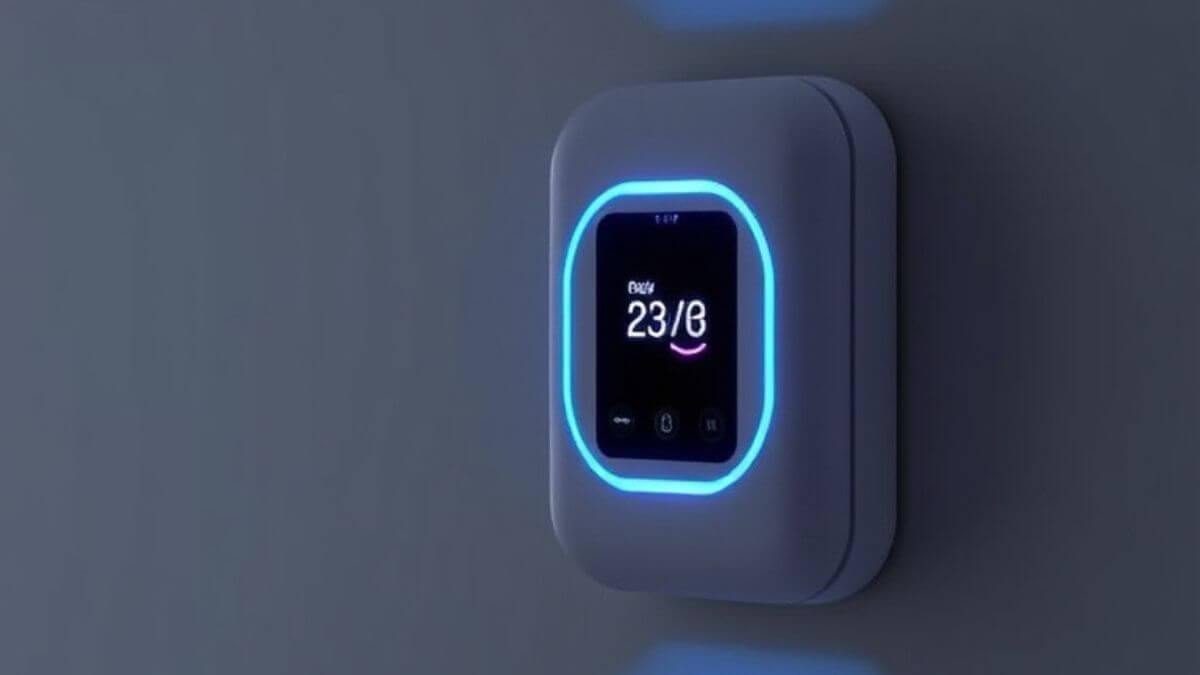

The rise of smart homes has brought numerous technologies to the forefront, and Z-Wave is one of the most reliable and widely used. Whether you’re automating your lights, door locks, or thermostat, Z-Wave technology ensures your devices communicate seamlessly.
In this detailed guide, we’ll dive into what Z-Wave is, how it works, its history, pros and cons, security features, and comparisons with other smart technologies like Zigbee. Let’s explore why Z-Wave is a preferred solution for home automation enthusiasts and tech-savvy homeowners.
How Z-Wave Works
Z-Wave is a wireless communication protocol designed specifically for smart devices to connect and communicate with each other. It operates on a low-frequency radio band (908.42 MHz in North America), which helps it avoid interference from other devices like Wi-Fi or Bluetooth.
Each Z-Wave-enabled device acts as a node in a mesh network. When a signal is sent from one device, it hops from node to node until it reaches the intended destination, ensuring seamless communication even in large homes.
Key Working Components:
- Z-Wave Hub (Controller): The hub manages communication between all devices.
- Devices (Nodes): Sensors, switches, or smart appliances that communicate with the hub and each other.
- Mesh Networking: Signals relay across multiple devices, expanding the network’s range.
A Brief History of Z-Wave
Z-Wave technology was first developed in 1999 by Zen-Sys, a Danish company. It was intended to offer a low-cost, low-energy communication solution for smart home devices. Over the years, Silicon Labs acquired the technology, and Z-Wave has evolved into one of the most trusted communication protocols in home automation.
Today, Z-Wave boasts over 4,000 certified devices and has a large ecosystem of smart products, including lights, sensors, security cameras, door locks, and more. Its consistent growth highlights its popularity and effectiveness in the smart home industry.
Z-Wave Basics
Z-Wave technology simplifies the smart home experience. Here are the key features that make it effective:
1. Compact Size
Z-Wave modules are small and easy to integrate, allowing manufacturers to add Z-Wave functionality to devices without increasing size or complexity.
2. Low Energy Consumption
Z-Wave devices are optimized for low power consumption, making them ideal for battery-powered devices like door sensors and smoke alarms.
3. Long Range
Each Z-Wave device has a direct range of up to 100 meters (328 feet) outdoors. With mesh networking, this range can expand significantly as signals relay between nodes.
4. Unified Communication
Z-Wave devices use the same communication standard, ensuring interoperability between different brands and manufacturers.
5. Two-Way Feedback
With two-way communication, Z-Wave ensures that commands are confirmed. For example, if you turn off a light, the hub receives confirmation that the task was completed.
6. Mesh Networking
Every Z-Wave device functions as a node in a mesh network. This design eliminates dead zones by allowing signals to hop from one device to another.
7. No Interruptions
Because Z-Wave operates on a different frequency than Wi-Fi, it avoids interference from other household devices, ensuring smooth operation.
8. Top-notch Security
Z-Wave uses AES-128 encryption, which is also used in financial services, to secure communication between devices and prevent hacking.
9. Quality Assurance
Z-Wave products undergo rigorous certification to ensure they meet high standards of performance and compatibility.
10. The Trade-offs
While Z-Wave is powerful, it does have some limitations:
- More expensive than some other protocols.
- Requires a dedicated hub for communication.
- Not ideal for large-scale industrial use compared to Wi-Fi-based IoT solutions.
Z-Wave Adoption and Popularity
The adoption of Z-Wave is steadily increasing as more homeowners seek to build interconnected smart home ecosystems. Brands like Ring, Yale, Samsung SmartThings, and Honeywell offer Z-Wave-compatible devices. Its interoperability with multiple manufacturers makes it a reliable choice for anyone building a smart home, from beginners to advanced users.
Z-Wave Security
Security is a top priority for Z-Wave. The protocol uses AES-128 encryption, ensuring that all communication between devices is secure. Additionally, Z-Wave supports SmartStart, a feature that simplifies device pairing while maintaining high-security standards.
With regular software updates and Z-Wave’s security-first approach, homeowners can trust that their data and devices are protected from unauthorized access.
A Comparison between Z-Wave vs. ZigBee
Z-Wave and ZigBee are both popular protocols for smart home automation, but they differ in key areas:
| Feature | Z-Wave | ZigBee |
| Frequency | 908.42 MHz (No interference) | 2.4 GHz (Can interfere with Wi-Fi) |
| Range (Direct) | Up to 100 meters | Up to 20 meters |
| Power Consumption | Low | Ultra-low |
| Security | AES-128 encryption | AES-128 encryption |
| Compatibility | Limited to Z-Wave devices | Wide range of devices |
| Adoption | Growing steadily | Popular in industrial and home settings |
Z-Wave Mesh Networking Explained
The strength of Z-Wave lies in its mesh networking capabilities. Each Z-Wave device communicates with other nearby devices, allowing signals to “hop” through multiple nodes to reach their destination. This ensures consistent connectivity, even if some devices are far from the hub.
Unlike traditional point-to-point communication, mesh networking helps eliminate dead zones in larger homes by creating a self-healing network that reroutes signals when needed.
Is Z-Wave Right for Your Smart Home?
Z-Wave offers a reliable and secure way to enhance your home automation experience. Whether you’re a beginner building your first smart home or an advanced user looking to expand your ecosystem, Z-Wave ensures smooth communication between devices with minimal interference.
By using Z-Wave technology, you can enjoy enhanced control, better security, and seamless connectivity, all while saving energy. Take the first step in building your smart home with Z-Wave and experience the convenience of an interconnected living space.
FAQs about Z-Wave
Yes, Z-Wave is designed specifically for smart home automation. It offers better range, lower energy consumption, and less interference than Wi-Fi.
Yes, Z-Wave devices require a hub or controller to manage communication between devices and create a connected ecosystem.
Z-Wave uses AES-128 encryption, ensuring all communications between devices are highly secure, reducing the risk of hacking.
While Z-Wave and Zigbee are separate protocols, some smart hubs (like SmartThings) support both, allowing you to use devices from both ecosystems.
A Z-Wave network can support up to 232 devices, making it ideal for even the largest smart homes
