

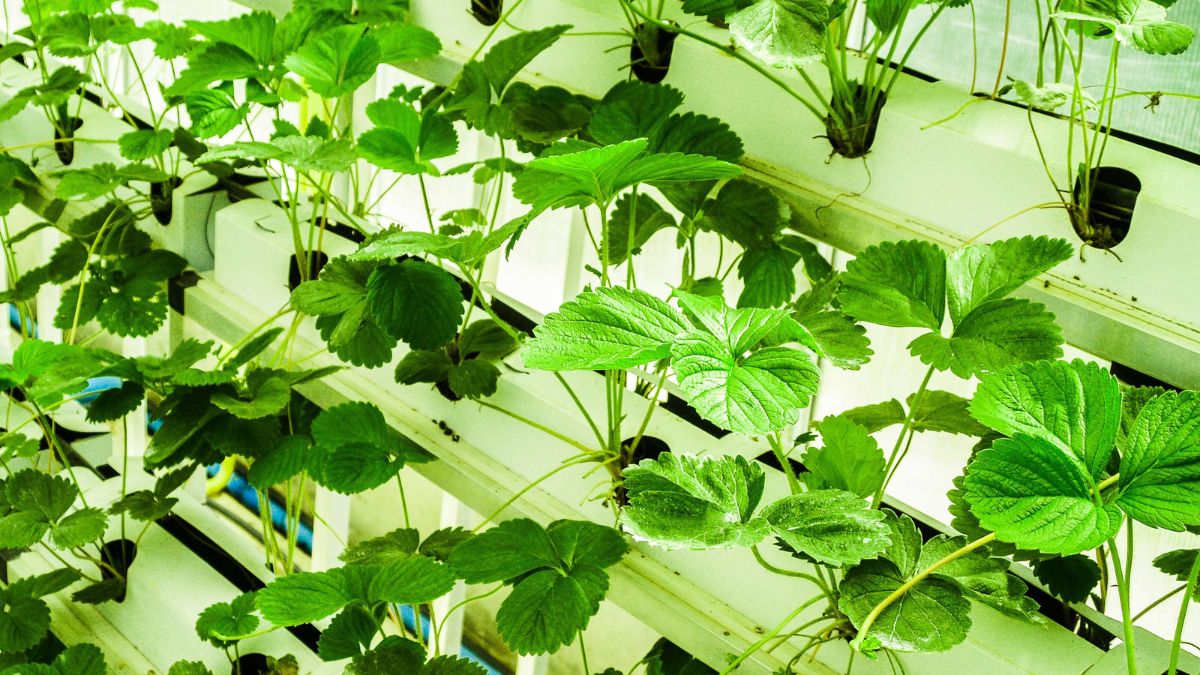

Hydroponic gardening is transforming the way we grow plants by using water and nutrients instead of soil. This sustainable and efficient method is gaining traction among gardeners of all levels, offering the chance to grow fresh produce at home. In this complete guide, you’ll learn about hydroponic gardening, including system options, step-by-step setup, maintenance tips, and more. By the end, you’ll have the essential tools and knowledge about how to build your very own hydroponic garden.
What is Hydroponic Gardening?
Hydroponic gardening is a method of growing plants using nutrient-rich water instead of soil. It stands apart from traditional gardening by providing plants with everything they need directly through water, resulting in faster growth, efficient water use, and the ability to garden indoors all year round. Hydroponics is ideal for urban dwellers and those with limited outdoor space, making it a highly versatile way to grow fresh, organic produce at home.
How Does Hydroponics Work?
At its core, hydroponics supplies essential nutrients to plants through water, allowing for optimal growth. Here’s how it works:
- Water reservoir holds nutrient-rich water.
- Growing medium like coco coir or clay pebbles supports the plants.
- Roots are either submerged or misted to receive moisture.
- Light and oxygen (natural or artificial) are essential for plant health.
This controlled environment ensures plants receive just the right amount of nutrients, light, and oxygen, allowing them to thrive.

Types of Hydroponic Systems
Choosing a hydroponic system depends on your space, budget, and experience level. Here are the most common types:
1. Wick System
A simple system where a wick transports water from the reservoir to the roots.
Best for: Herbs, microgreens, houseplants
Pros: Easy to set up, low maintenance
Cons: Limited water supply, less effective for larger plants
2. Deep Water Culture (DWC)
Plants are suspended with roots submerged in nutrient-rich water.
Best for: Lettuce, leafy greens, herbs
Pros: Inexpensive, effective for fast-growing plants
Cons: Requires an air pump for oxygenation
3. Nutrient Film Technique (NFT)
A thin layer of water flows continuously over the plant roots.
Best for: Small plants like strawberries, basil
Pros: Conserves water, supports continuous growth
Cons: Prone to clogging, requires a steady water flow
4. Ebb and Flow (Flood and Drain)
Nutrient-rich water floods the plants periodically, then drains back to the reservoir.
Best for: Tomatoes, peppers
Pros: Adjustable watering schedule, ideal for larger plants
Cons: Requires a timer and regular maintenance
5. Aeroponics
Plants are suspended in air and misted with nutrient solution.
Best for: Leafy greens, medicinal plants
Pros: High oxygenation, excellent growth speed
Cons: High initial cost, precise misting required
Step-by-Step Guide to Building Your Hydroponic Garden
Step 1: Choose the Right Hydroponic System
Consider your available space, budget, and the types of plants you wish to grow. For beginners, Deep Water Culture (DWC) is a great option due to its simplicity and affordability.
Step 2: Gather Your Supplies
You’ll need essential equipment such as:
- Grow trays, reservoirs
- Pumps, timers
- Grow lights
- Nutrient solutions and growing mediums
Step 3: Set Up Your Hydroponic System
Assemble your chosen system, positioning it in a well-lit area with good ventilation. Follow system-specific instructions and ensure temperature control for optimal growth.
Step 4: Prepare the Nutrient Solution
Mix a balanced nutrient solution and fill your system’s reservoir. Follow instructions on the nutrient package carefully to avoid over-fertilization.
Step 5: Planting
Choose seeds or seedlings suited to your system. Place them in the growing medium, ensuring proper spacing and root support.
Step 6: Maintenance and Monitoring
Monitor pH levels, nutrient concentrations, and water levels regularly. Ideal pH levels for most plants are between 5.5 and 6.5. Clean your system to prevent algae buildup and pests.
Common Challenges and How to Overcome Them
Hydroponic gardening can pose a few challenges. Here’s how to tackle the most common ones:
- Nutrient Deficiencies: Regularly check nutrient levels and adjust as needed.
- pH Imbalance: Test pH weekly and add solutions to balance.
- Root Rot: Ensure proper oxygenation and avoid overwatering.
- Algae Growth: Use light-blocking covers and clean the system frequently.
Pros and Cons of Hydroponic Gardening
Hydroponic gardening is an innovative method with many benefits and a few limitations.
Pros:
- Space-efficient: Perfect for small spaces and urban settings.
- Water-saving: Uses significantly less water than soil gardening.
- Faster growth: Plants grow 30-50% faster due to precise nutrient delivery.
- Fewer pests: Lower risk of soil-borne diseases.
Cons:
- Initial setup cost: Hydroponic systems can be pricey.
- Learning curve: Requires understanding nutrients, pH levels, and water management.
- Electricity dependency: Some systems require continuous power.
The Benefits of Hydroponic Gardening
Hydroponic gardening is a sustainable solution that provides fresh produce year-round, reduces water usage, and optimizes space. This efficient method is especially valuable for those in urban areas or those with limited outdoor gardening space, allowing them to grow a variety of fruits, vegetables, and herbs indoors.
Conclusion: Take the Leap into Smart Gardening!
Building a hydroponic garden may seem complex, but with the right approach, anyone can enjoy the benefits of growing plants without soil. Start small with a simple system, like a Wick System, and gradually explore advanced setups. Hydroponics offers an exciting opportunity to cultivate plants sustainably, whether you’re aiming for fresh herbs in the kitchen or a home-based urban farm. Ready to start your hydroponic journey? Dive in, experiment, and enjoy the world of soilless gardening!
FAQs about Hydroponic Gardening
Deep Water Culture (DWC) is often recommended for beginners due to its simplicity and low cost.
Yes, hydroponic plants typically grow 25-30% faster due to the continuous supply of nutrients and oxygen.
A basic setup can range from $50 to $500, depending on the system’s size and complexity.
While many plants thrive in hydroponics, leafy greens, herbs, and certain fruits like strawberries and tomatoes are especially well-suited.
Regular maintenance includes monitoring pH, refilling nutrients, checking for pests, and cleaning to prevent algae.

