


Home security systems are becoming a vital tool for homeowners, offering peace of mind and protection from potential threats like burglaries, fires, and more. But have you ever wondered exactly how they work? In this detailed guide, we’ll break down the ins and outs of a home security system, explaining its components, how they work together, and why they’re essential for safeguarding your home.
Why Home Security Matters
In today’s world, protecting our homes isn’t just an option, it’s a necessity. With rising concerns over break-ins, fire hazards, and even environmental threats like flooding, having a robust home security system can make all the difference. But how does a home security system work? If you’re considering investing in one or simply curious about its functionality, this comprehensive guide is for you.
Let’s dive into the technology behind these systems and why you should consider installing one in your home.
Components of a Home Security System
A home security system is more than just an alarm that goes off when someone tries to break in. Modern systems are designed with multiple components that work together to provide a comprehensive security solution. These components typically include:
1.Control Panel:
The brain of the security system, the control panel is responsible for communicating with each component and sending alerts when something triggers the system. It’s usually located in a central, easily accessible part of the home.
2.Sensors:
- Door and Window Sensors: These detect when a door or window is opened. If the system is armed, any unauthorized access will trigger an alarm.
- Motion Sensors: Installed in areas like hallways or rooms with high foot traffic, these detect movement within a specified range and send signals to the control panel.
- Glass Break Sensors: Detect the sound of glass breaking and send an alert to the system.
3.Cameras:
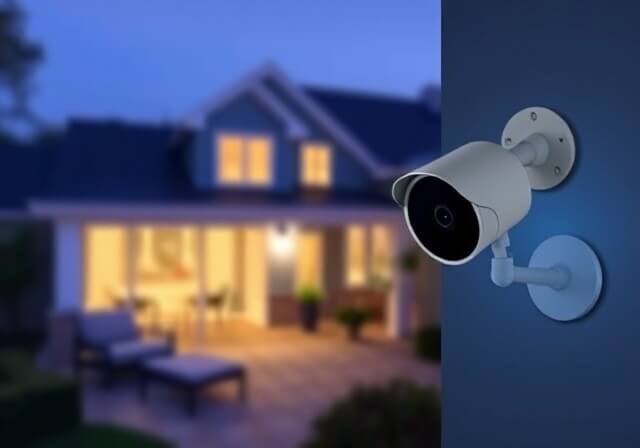
○Indoor and Outdoor Cameras: These monitor activity around and inside the home, often offering live video feeds and recording capabilities.
○Doorbell Cameras: A popular feature, doorbell cameras allow you to see and communicate with anyone at your front door via your smartphone.
4.Alarms:
When a threat is detected, alarms will sound both inside and outside the house. These alarms can deter burglars and alert nearby neighbors of potential trouble.
5.Monitoring Services:
Many home security systems are connected to professional monitoring services, where a security team watches over your home 24/7. If an alarm is triggered, they can contact the homeowner and emergency services immediately.
6.Environmental Sensors:
- Smoke Detectors: These detect smoke and trigger the system’s fire alarm.
- Carbon Monoxide Detectors: Detect harmful CO levels in the air.
- Water Sensors: Useful in detecting leaks or potential flooding.
How It All Works Together
The key to a home security system’s success lies in the synchronization of all these components. Here’s how the process typically works:
1.Arming the System: When you leave the house or go to bed at night, you arm the system via the control panel or your smartphone app. Once armed, all sensors become active.
2.Detecting a Breach: If any sensor detects unusual activity—such as a door opening, motion in a room, or broken glass—it sends a signal to the control panel.
3.Alerting You and the Monitoring Service: The control panel then triggers an alarm to notify the homeowner and the monitoring service (if applicable). Simultaneously, you may receive a notification on your phone.
4.Emergency Response: If the alarm is confirmed as a legitimate threat (either through user confirmation or automated analysis), the monitoring service can dispatch emergency responders such as police, firefighters, or medical teams.
5.Remote Access and Control: Many systems allow users to monitor and control their security system via smartphone apps. You can view live camera feeds, arm/disarm the system, and receive real-time alerts no matter where you are.
Benefits of Installing a Home Security System
- Peace of Mind: Knowing your home is protected 24/7 provides unparalleled peace of mind.
- Deterrent for Criminals: Most burglars avoid homes with visible security cameras or alarm systems.
- Protection from More Than Just Burglary: Modern systems protect against fire, carbon monoxide, and even environmental hazards.
- Lower Homeowner’s Insurance Premiums: Many insurance companies offer discounts for homes with security systems.
- Convenient Remote Monitoring: Control and monitor your home security from anywhere via your smartphone.
Choosing the Right System for Your Home
When selecting a home security system, consider the following:
1.Budget: How much are you willing to spend? There are options for every price range, from basic DIY systems to professionally installed and monitored services.
2.Features: What do you need? Are cameras essential, or are motion sensors enough? Decide based on your home’s layout and your personal needs.
3.Professional Monitoring: Do you want 24/7 professional monitoring, or will you rely on self-monitoring?
4.Installation: DIY systems are generally cheaper and easier to install, while professionally installed systems offer more robust security but come at a higher price.
Is a Home Security System Worth It?
In short, yes. A home security system is one of the best investments you can make to protect your home, loved ones, and belongings. With the ability to monitor your home from anywhere and the added peace of mind that professional monitoring offers, it’s a worthwhile consideration for any homeowner.
Not only do these systems act as a deterrent for potential intruders, but they also provide critical protection against other dangers, such as fire and carbon monoxide. So, if you’re looking to enhance the safety of your home, now might be the time to invest in a security system.
FAQs
A home security system works by utilizing sensors, cameras, and alarms to detect potential threats such as break-ins, fires, or other hazards. When the system detects something, it alerts the homeowner and possibly a monitoring service.
Yes, many home security systems offer DIY installation options. However, for more complex systems, you may want to consider professional installation.
Most systems include backup batteries to ensure they continue functioning during power outages. Some also come with cellular backup if Wi-Fi is unavailable.
Professional monitoring involves a team that monitors your system 24/7 and can alert emergency services if necessary. Self-monitoring means you’re responsible for checking alerts and contacting authorities if needed.
Yes, home security systems provide peace of mind, protect against various dangers, and can even reduce homeowner’s insurance premiums.
