

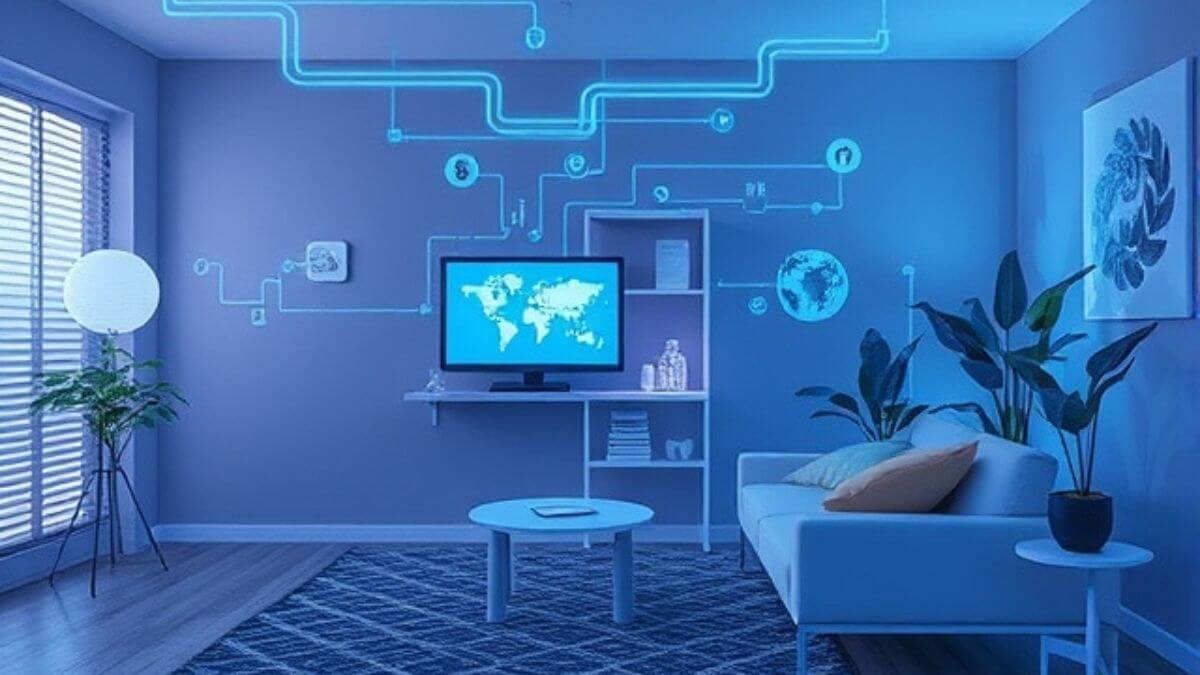

What is Home Automation?
Home automation refers to the use of technology to control and automate household systems such as lighting, appliances, heating, and security. Everyday tasks like adjusting the thermostat, locking doors, or turning off lights can be managed remotely through smartphones, tablets, or voice commands. Whether you’re tech-savvy or new to the idea, automation offers enhanced comfort, security, and energy efficiency.
How Does Home Automation Work?
Home automation relies on a network of devices that communicate through the internet and can be controlled via a central hub or voice-activated systems like Google Assistant, Alexa, or Siri.
Key Components of Home Automation:
- Smart Devices: Appliances like lights, thermostats, and cameras with internet connectivity.
- Sensors: Devices that trigger actions, such as motion sensors or temperature monitors.
- Communication Protocols: Technologies like Wi-Fi, Zigbee, or Z-Wave enable seamless interaction between devices.
With automation, routines can be set—such as dimming lights at bedtime or adjusting the thermostat when you’re away—making your home smarter.
The Benefits of Home Automation
1. Convenience
Control your lights, security system, or thermostat with a tap or voice command.
2. Enhanced Security
Monitor your home remotely with smart cameras, doorbells, and locks.
3. Energy Efficiency
Automated systems reduce energy waste by powering down devices when not in use.
4. Increased Comfort
Personalized settings for lighting, temperature, and ambiance enhance comfort.
5. Accessibility
Home automation empowers individuals with disabilities or elderly residents to manage their environment independently.
How to Get Started with Home Automation
1. Choose a Hub
Select a central hub such as Amazon Echo, Google Home, or Apple HomeKit to control your smart devices.
2. Identify Your Needs
Decide which area—security, lighting, or temperature control—you want to automate first.
3. Set Up Routines
Create routines, like a “good night” routine that turns off lights, locks doors, and adjusts the thermostat.
4. Integrate Devices Gradually
Start small with a few devices, and expand your setup as you become comfortable.
Challenges of Home Automation
1. Compatibility Issues
Not all devices are compatible with every hub, so ensure they can work seamlessly together.
2. Privacy and Security Concerns
With increased connectivity comes the risk of hacking. Use strong passwords and update software regularly to secure your devices.
The Future of Home Automation
The future of home automation is evolving rapidly with advancements in AI and machine learning. Soon, homes will anticipate your needs, adjusting lighting, temperature, and appliances based on your routines, making everyday life even more seamless and intuitive.
Is Home Automation Right for You?
Home automation offers endless possibilities, from improved security and energy savings to enhanced convenience. If you’re ready to take the plunge, start with a few devices and experience how automation can transform your home. With just a few taps or voice commands, you’ll unlock a new level of comfort and control.
