

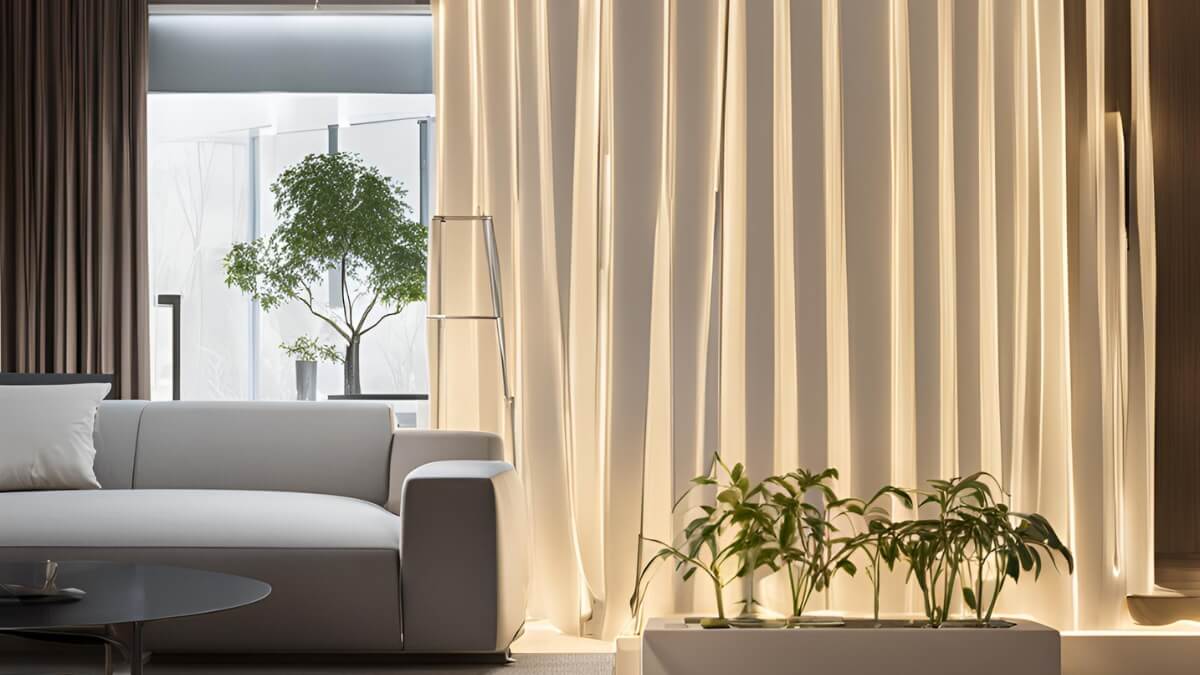

LED stands for Light Emitting Diode. It is a semiconductor device that emits light when an electric current passes through it. Unlike traditional incandescent or fluorescent bulbs, LEDs don’t rely on heating a filament to produce light, which makes them significantly more energy-efficient and durable. In this guide, “LED Lights: The Foundation of Smart Lighting Solutions,” we explore how LED technology plays a crucial role in smart lighting systems, enabling advanced features like remote control, automation, and energy optimization.
LED Lights:Foundation of Smart Lighting
In smart lighting systems, LEDs serve as the foundation for advanced features such as remote control, dimming, color tuning, and automation. Their durability and versatility allow seamless integration with smart home ecosystems, providing enhanced convenience, energy savings, and environmental benefits. With LEDs at the core, smart lighting transforms how we illuminate and interact with our living spaces.
How Do LED Lights Work?
LED lights produce light through a process called electroluminescence. When electricity passes through a semiconductor (the diode), it excites electrons, causing them to release energy in the form of photons (light). The color of the light emitted depends on the materials used in the semiconductor, allowing LEDs to be used in a wide range of applications, from bright white home lighting to colorful outdoor displays.
Benefits of LED Lights
- Energy Efficiency
One of the primary reasons people are switching to LED lights is their energy efficiency. LED bulbs use about 75% less energy than incandescent lighting, which can lead to significant savings on your energy bills. - Long Lifespan
LED lights have a remarkably long lifespan. A typical LED bulb lasts about 25,000 to 50,000 hours, which is 10 to 25 times longer than traditional incandescent bulbs. This means you won’t have to replace your bulbs nearly as often, reducing waste and cost. - Environmentally Friendly
LED lights are much more eco-friendly than other types of lighting. They do not contain harmful chemicals like mercury, which is commonly found in fluorescent lights, and they are fully recyclable. Moreover, their lower energy consumption helps reduce greenhouse gas emissions. - Versatility and Design Flexibility
LED lights come in a wide range of shapes, sizes, and colors, making them highly versatile for different applications. Whether you’re looking to light up a home, an office, a street, or an art gallery, LEDs offer the flexibility to meet a variety of design needs. - Low Heat Emission
Unlike incandescent bulbs, which waste 90% of their energy as heat, LEDs remain cool to the touch. This makes them safer and more energy-efficient, as well as suitable for heat-sensitive environments such as food displays and museums.
Common Applications of LED Lights
- Home Lighting
LED lights are used extensively in homes for general illumination, accent lighting, and even decorative purposes. They offer a warm and inviting ambiance while helping homeowners reduce energy consumption. - Industrial and Commercial Lighting
LED lights are often used in warehouses, offices, and factories because of their durability and energy savings. They are ideal for environments that require constant lighting. - Street Lighting
Many cities are converting their street lighting to LEDs due to their low maintenance and energy costs. LED streetlights offer brighter illumination and last longer than traditional lighting options. - Automotive Lighting
LEDs are increasingly being used in headlights, taillights, and interior lighting in vehicles due to their durability, brightness, and energy efficiency.
Why Should You Switch to LED Lights?
Switching to LED lights is not just about saving money—it’s also about contributing to a greener planet. By making the switch, you are actively reducing your energy footprint. The long lifespan and low maintenance requirements of LED lights make them a practical choice for both residential and commercial use. Plus, their versatility means they can be adapted to virtually any lighting need.
How to Choose the Right LED Light?
When selecting an LED light, consider the following factors:
- Brightness: Measured in lumens, the higher the lumens, the brighter the light.
- Color Temperature: LEDs are available in a variety of color temperatures, from warm white (around 2700K) to daylight (5000K and above).
- Wattage: While LEDs use less wattage, ensure you’re choosing a bulb with the right wattage equivalent for your needs.
- Dimmability: If you want to control the brightness, look for dimmable LED bulbs.
- Shape: LED bulbs come in various shapes, such as standard A-line, floodlights, and decorative bulbs. Choose a shape based on the application.
LED lights are the future of lighting. They are energy-efficient, eco-friendly, and versatile, making them an excellent choice for both residential and commercial use. If you haven’t made the switch yet, now is the perfect time to do so. The upfront cost of LED bulbs may be slightly higher, but the long-term savings in energy and replacement costs make it a wise investment. Take action today and switch to LED lights. Not only will you save money, but you’ll also contribute to a greener, more sustainable world.
FAQs About LED Lights
A:LED lights use significantly less energy and have a much longer lifespan than incandescent bulbs. They also remain cool to the touch and are more environmentally friendly.
A:Yes, many LED bulbs are dimmable, but it’s essential to check the packaging as not all LEDs are compatible with dimmer switches.
A:No, LED lights do not contain harmful substances like mercury, which is commonly found in fluorescent bulbs, making them safer for the environment.
A:Yes, LED lights are excellent for outdoor use. They are durable, energy-efficient, and can withstand a variety of weather conditions.
A:LED lights typically last between 25,000 and 50,000 hours, depending on usage and the specific bulb model.
